
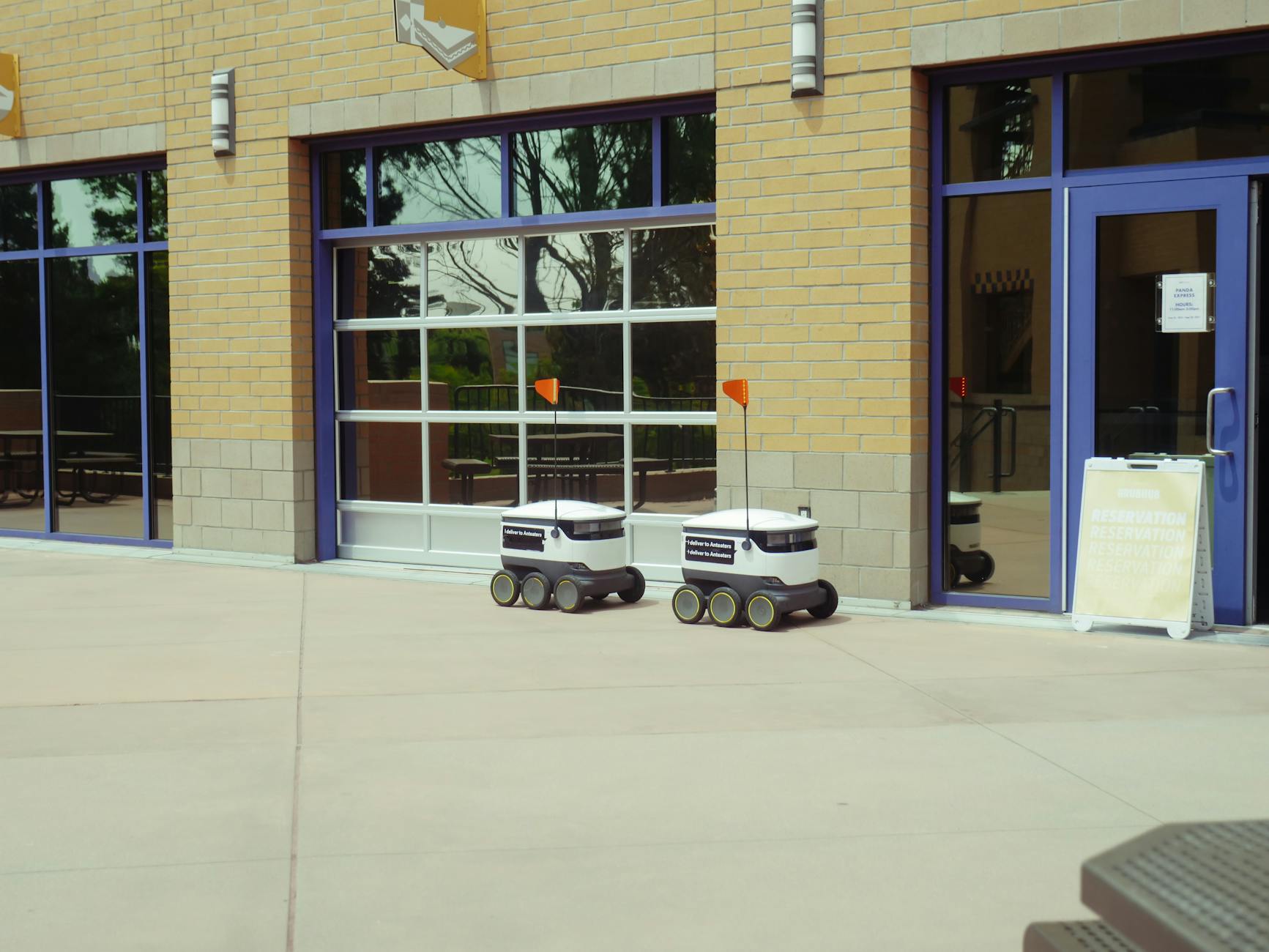
Understanding the Importance of Safe AI Automations
As businesses increasingly rely on AI automation to enhance efficiency and productivity, ensuring safety in these systems is paramount. Safe AI automations help mitigate risks associated with unauthorized access, data breaches, and unintended consequences. Here, we will discuss how to implement effective permissions, set limits, establish approval processes, and monitor AI systems.
Permissions: Who Gets Access?
Establishing clear permissions is the first step in creating a safe AI automation environment. Define user roles and access levels based on the principle of least privilege, which ensures that employees only have access to the information and functionalities necessary for their roles.
For example, a marketing team member may need access to customer data for targeted campaigns, but they should not have the ability to alter sensitive financial information. Utilizing role-based access control (RBAC) can help streamline this process.
Setting Limits: Defining Boundaries for AI
Limits should be placed on what AI automations can do to prevent them from acting outside their intended scope. This includes defining the types of data the AI can access, the actions it can perform, and the environments in which it can operate.
For instance, if your AI system is designed to automate customer service responses, it should be limited to handling only predefined inquiries and should not have the capability to process refunds or make changes to accounts without human intervention.
Establishing Approval Processes
Implementing an approval process for AI-driven actions can serve as a safety net. This involves requiring human oversight before the AI can execute certain tasks or make significant decisions.
For example, if an AI system identifies a potential fraud case, it should alert a human operator to review the findings before any action is taken. This helps ensure that critical decisions are made with human insight, reducing the risk of errors.
Monitoring AI Systems: Continuous Oversight
Regular monitoring of AI automations is crucial to ensure they operate as intended and remain compliant with safety protocols. This includes tracking performance metrics, reviewing logs for unusual activities, and assessing the outcomes of automated decisions.
Utilizing monitoring tools can help you stay informed about your AI systems’ operations. For instance, if an AI automation consistently generates incorrect responses, it may indicate a need for retraining or recalibrating the model.
Conclusion
Building safe AI automations requires a proactive approach to permissions, limits, approvals, and monitoring. By implementing these practices, business owners can harness the benefits of AI while minimizing risks and ensuring a secure operational environment.
What are the key components of safe AI automation?
Key components include permissions, limits, approval processes, and monitoring.
How can I set effective permissions for AI systems?
Define user roles based on the principle of least privilege, ensuring access is granted only to necessary information.
What types of limits should I set for AI automations?
Limits can include data access types, actions the AI can perform, and operational environments.
Why is human approval important in AI automation?
Human approval helps ensure critical decisions are vetted and reduces the risk of errors from automated actions.
How can I effectively monitor my AI systems?
Use monitoring tools to track performance metrics, review logs, and assess outcomes regularly.
For further insights on enhancing your AI capabilities, visit Be A Phoenix.
This article covers Building safe AI automations: permissions, limits, approvals, and monitoring from an execution-first automation perspective.
Gaotus focuses on safe workflow execution: validation → permissions → optional approvals → action → confirmation → audit logs.
If you want to go deeper, these internal posts may help:
{“@context”:”https://schema.org”,”@type”:”FAQPage”,”mainEntity”:[{“@type”:”Question”,”name”:”What are the key components of safe AI automation?”,”acceptedAnswer”:{“@type”:”Answer”,”text”:”Key components include permissions, limits, approval processes, and monitoring.”}},{“@type”:”Question”,”name”:”How can I set effective permissions for AI systems?”,”acceptedAnswer”:{“@type”:”Answer”,”text”:”Define user roles based on the principle of least privilege, ensuring access is granted only to necessary information.”}},{“@type”:”Question”,”name”:”What types of limits should I set for AI automations?”,”acceptedAnswer”:{“@type”:”Answer”,”text”:”Limits can include data access types, actions the AI can perform, and operational environments.”}},{“@type”:”Question”,”name”:”Why is human approval important in AI automation?”,”acceptedAnswer”:{“@type”:”Answer”,”text”:”Human approval helps ensure critical decisions are vetted and reduces the risk of errors from automated actions.”}},{“@type”:”Question”,”name”:”How can I effectively monitor my AI systems?”,”acceptedAnswer”:{“@type”:”Answer”,”text”:”Use monitoring tools to track performance metrics, review logs, and assess outcomes regularly.”}}]}