
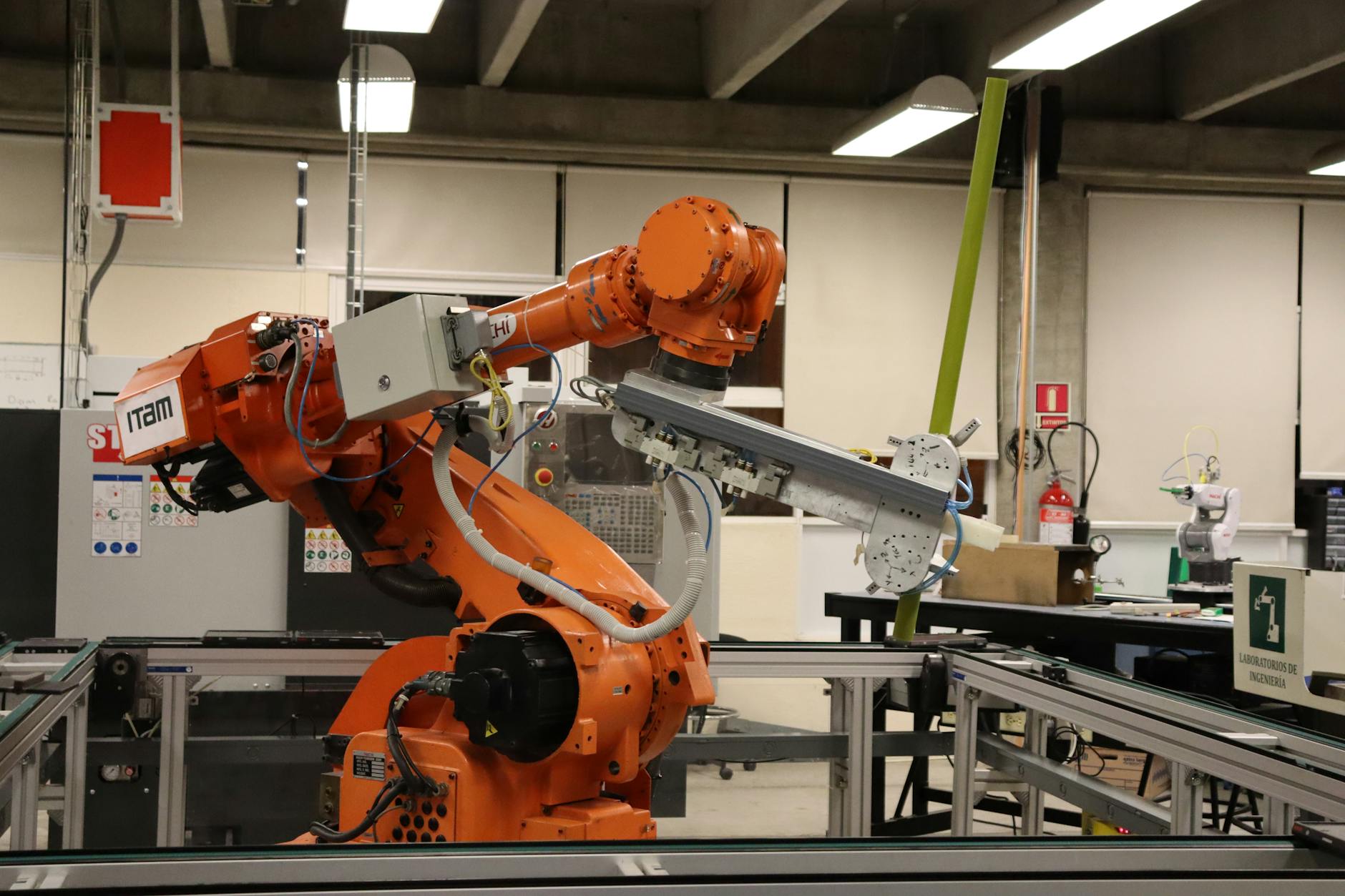
Understanding traditional automation
AI agents, on the other hand, utilize machine learning and natural language processing to understand and respond to complex tasks. They can learn from data, adapt to new situations, and make decisions. This means an AI agent can manage customer inquiries, analyze market trends, and even optimize workflows in real-time.
The rise of AI agents
Key differences between AI agents and traditional automation
- Flexibility: AI agents can adapt to changing environments, while traditional automation relies on fixed rules.
- Learning capabilities: AI agents learn from interactions, improving over time. Traditional automation does not learn or evolve.
- Complex task handling: AI agents can manage multifaceted problems, unlike traditional automation that handles simple tasks.
Implementing AI agents in your business
To transition from traditional automation to AI agents, consider these steps:
- Identify repetitive tasks: Analyze your workflows to find tasks that can benefit from AI.
- Choose the right tools: Look for AI platforms that align with your business needs, such as chatbots for customer service or analytics tools for data processing.
- Integrate with existing systems: Ensure the AI agent can work seamlessly with your current software to enhance productivity.
- Train your team: Educate your staff on how to work alongside AI tools for maximum efficiency.
Benefits of using AI agents
Businesses that adopt AI agents can expect increased efficiency, reduced operational costs, and improved customer satisfaction. For example, an AI-driven customer service agent can handle inquiries 24/7, providing quick responses and freeing up human agents for more complex issues.
Conclusion
While traditional automation has its place, AI agents offer a transformative approach to business workflows. By embracing AI, companies can enhance their operations and stay competitive in a rapidly evolving market.
Frequently asked questions
Clear, practical answers based on the article above.
What are traditional automation tools?
Traditional automation tools include scripts, macros, and software that execute predefined tasks without adaptability.
How do AI agents learn?
AI agents learn through machine learning algorithms that analyze data and improve their responses over time.
Can AI agents replace human jobs?
AI agents can automate repetitive tasks, allowing humans to focus on more complex responsibilities, rather than completely replacing jobs.
What types of businesses benefit from AI agents?
Businesses in customer service, analytics, and any sector that requires data processing can benefit from AI agents.
How can I integrate AI agents into my existing systems?
Choose AI platforms that offer integration capabilities with your current software to ensure seamless operation.